Information
Accurate, audience-specific knowledge linked to a usable action.
Building Prevention Through Community is a developmentally responsive operating system for strengthening belonging, reducing behavioral-health and substance-use risk, recognizing concern early, and connecting people to help without abandoning them at the edge of another system.

People are safer when they are known, connected, expected, supported, and given a meaningful place to contribute.
Prevention is not a poster, an assembly, or a fear-based speech dressed up as strategy. It is the deliberate design of skills, relationships, routines, settings, policies, handoffs, and opportunities that make wellness more usable in ordinary life.
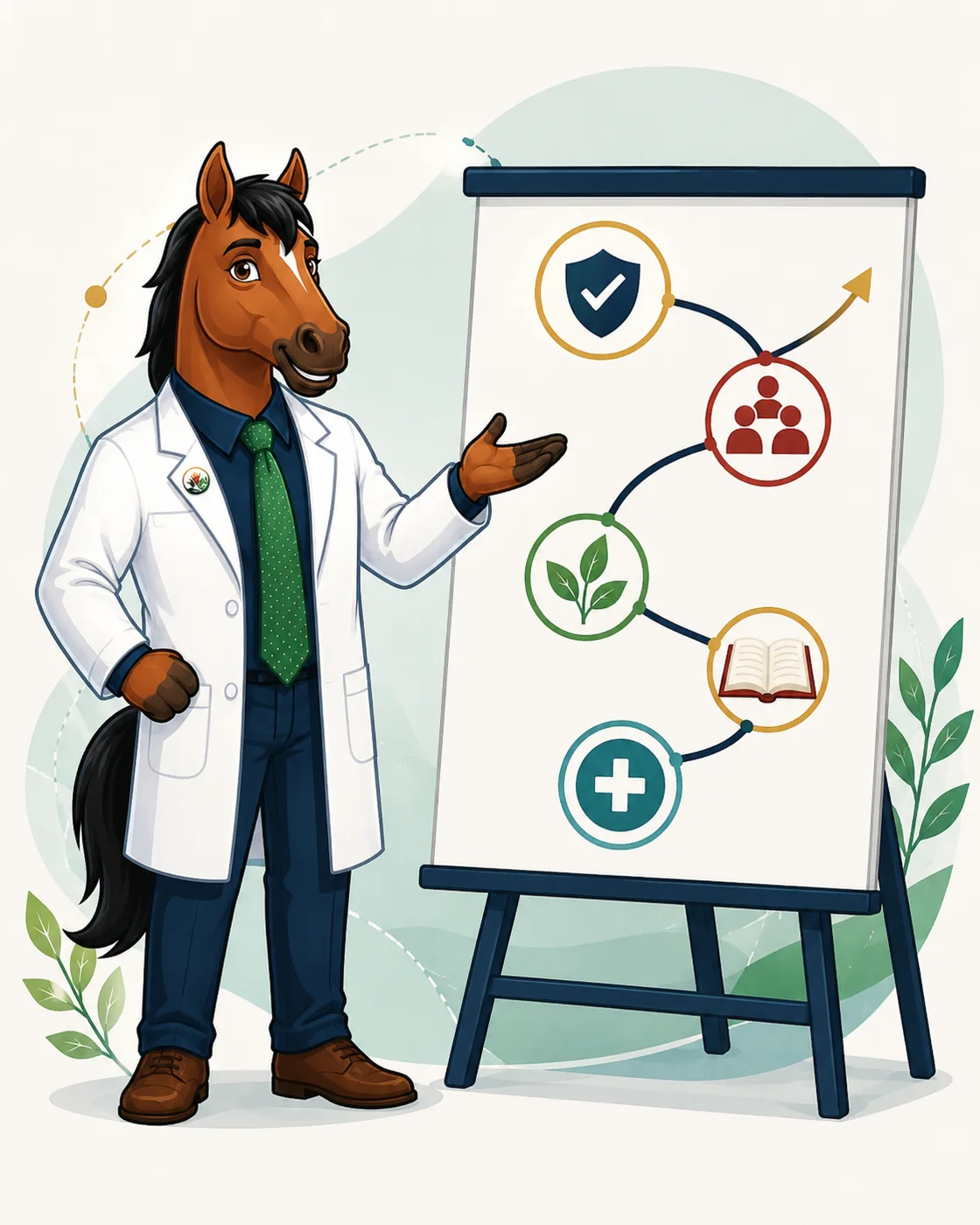
Risk exposure is not a diagnosis. Early warning signs are not a reason to wait. The lane changes when the need changes.
Education, healthy norms, protective assets, alternatives, adult presence, and environmental support.
Understand the continuum → 02 · SELECTIVETargeted skill-building, mentoring, family support, barrier reduction, and structured engagement.
Map risk and protection → 03 · INDICATEDStructured conversation, consultation, screening within role, safety action, and referral.
Use early identification → 04 · TREATMENT & RECOVERY LINKAGEAssessment, clinical treatment, peer support, case management, recovery capital, and completed follow-through.
See the linkage boundary →
The framework stays consistent while language, examples, pacing, activities, supervision, consent, and safeguards change by age, role, and setting.
Safe choices, body cues, emotional language, routines, friendship, play, family-supported practice, and first help-seeking skills.
Identity, peer pressure, refusal, reward systems, digital influence, relationships, future orientation, leadership, and help-seeking.
Adult-role transition, work and school stability, relationships, housing, legal exposure, recovery capital, and independent help-seeking.
Stress, substance risk, family systems, parenting, recovery, reentry, employment, housing, and meaningful contribution.
Family connection, structure, boundaries, early action, role clarity, and completed connection to help.
Medication, alcohol, isolation, grief, caregiving, chronic pain, cognition, transportation, housing, and safety concerns that can remain hidden.
No single activity should be asked to solve a community problem by itself. The portfolio works because different strategies change different parts of the ecology.
See the full strategy portfolioAccurate, audience-specific knowledge linked to a usable action.
Regulation, communication, refusal, planning, repair, help-seeking, and leadership.
Sports, arts, service, play, work exposure, identity, and contribution.
Youth, families, residents, peers, schools, providers, and institutions share ownership.
Policies, supervision, access, transportation, routines, settings, and norms.
Notice, discuss, consult within role, connect, confirm, and follow up.
The model does not turn teachers, coaches, peers, volunteers, or community partners into unauthorized clinicians. It gives each person a clear lane, a clear threshold for escalation, and a completed-handoff standard when the need exceeds that lane.
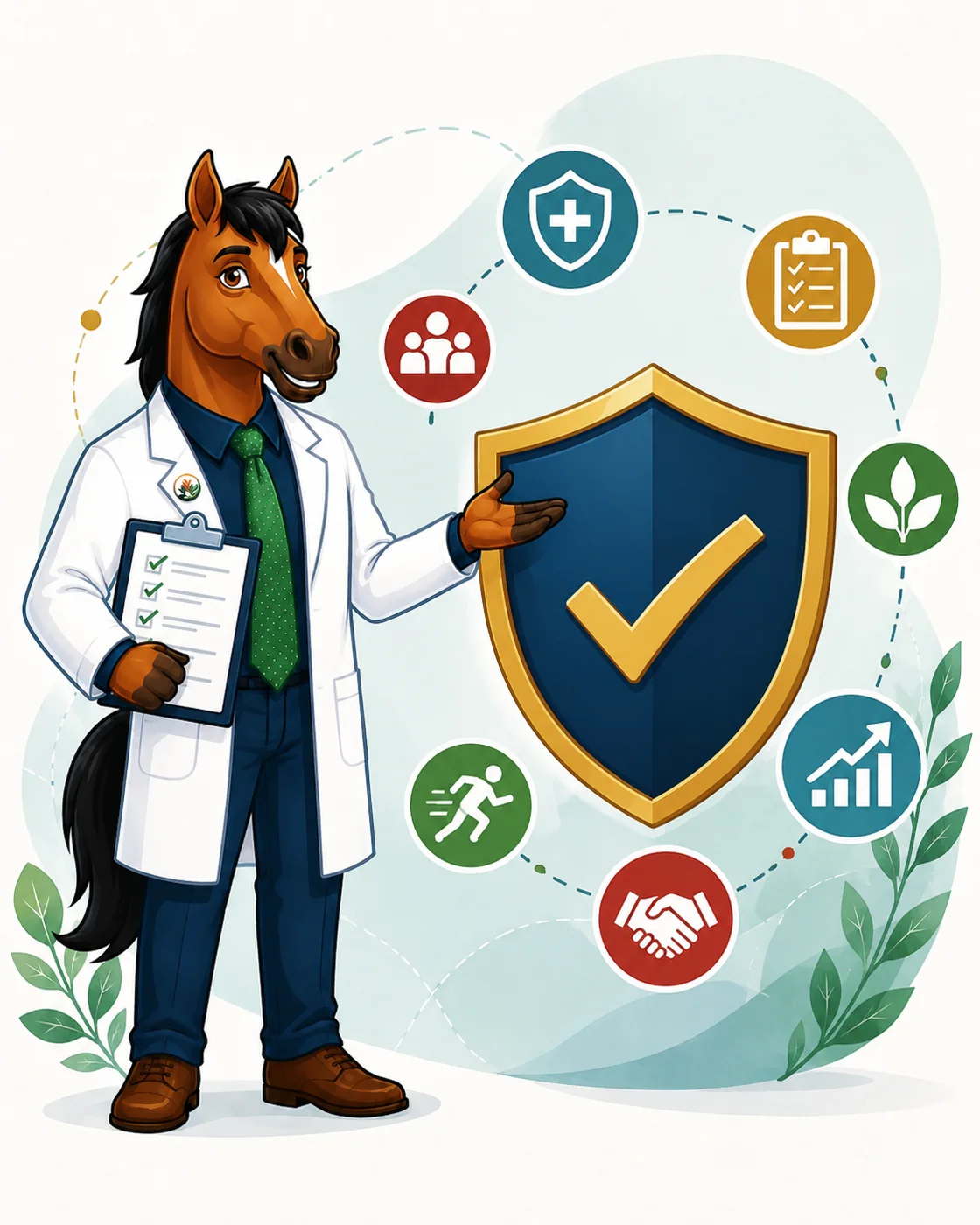
A strong prevention plan meets the community at its actual stage, then builds the next stage with visible evidence.

Deidentified program-planning worksheets may save locally in the browser. Participant, incident, consent, ROI, placement, and person-level handoff records never do.
Complete before launch and whenever population, site, schedule, staffing, leadership, or scope changes.
02Use with data review, interviews, focus groups, youth voice, caregiver voice, and environmental observation. Do not complete this form entirely from a conference room.
03Controlled strategy map & annual activity plan from the Building Prevention Through Community manual.
04Controlled logic model worksheet from the Building Prevention Through Community manual.
05Controlled program risk register from the Building Prevention Through Community manual.
06Controlled program budget & sustainability template from the Building Prevention Through Community manual.
This site is a framework and implementation tool. It does not activate a program, replace clinical judgment, confer credentials, or make an unverified partner available.