
Shared dignity. Different developmental work.
Use this page as a controlled working guide. Adapt language and activities to the population, verify local resources, assign ownership, and preserve the clinical and life-safety boundaries described throughout the model.
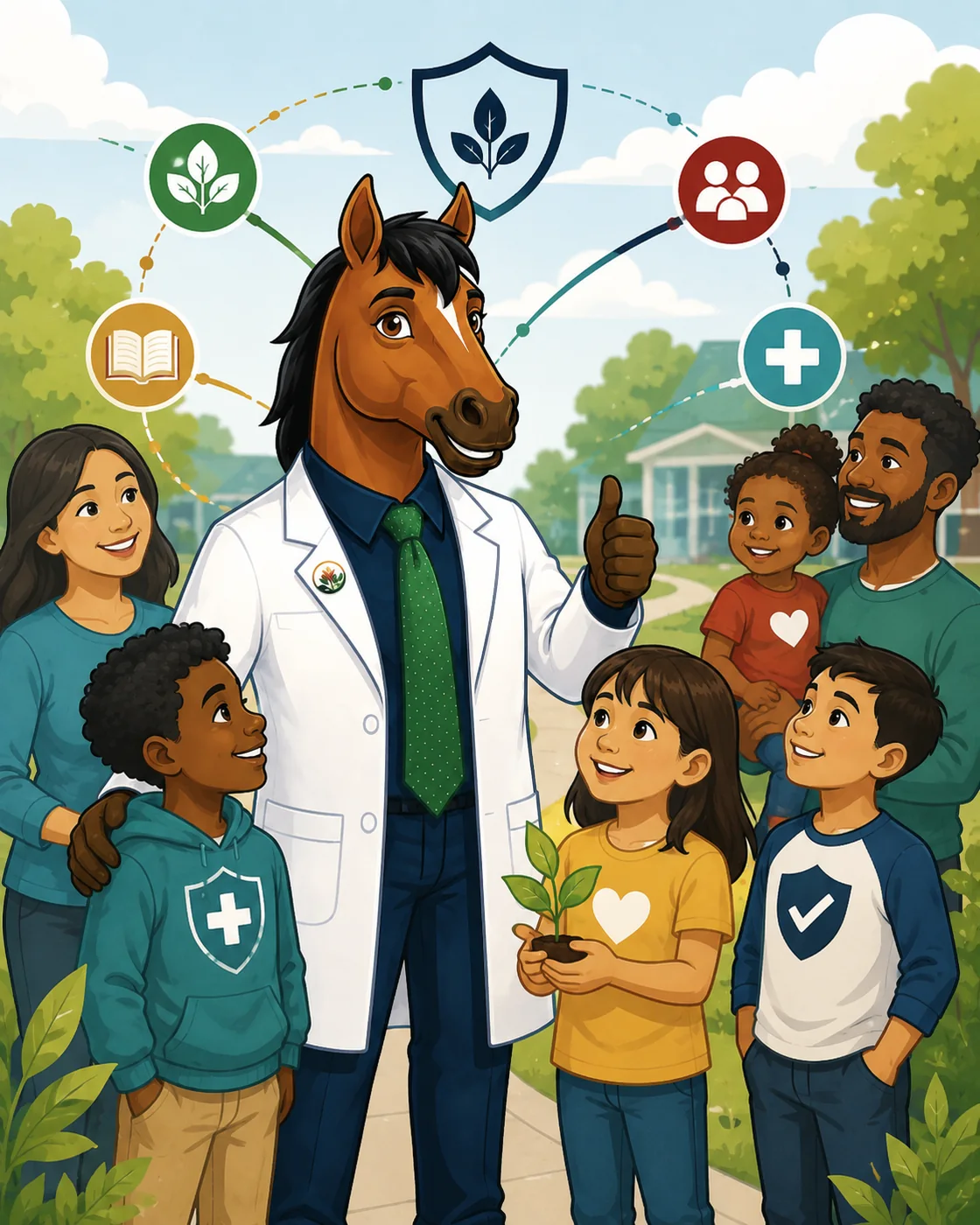
B.U.Y.-In Youth Academy
Adolescents need more than warnings. They need credible information, identity work, real rehearsal, room to challenge adults, and opportunities to practice leadership. The aim is to help young people buy into a future they can see, not merely comply with a rule they did not help understand.
B.U.Y. means Building Up Youth. B.U.Y.-In is the adolescent pathway that helps young people invest in their future through informed choice, practiced skill, trustworthy relationships, and visible progress. “Buy-in” means voluntary engagement and growing ownership—not coerced compliance, public pressure, or punishment for ambivalence.
Young people protect futures that feel real. The work connects today’s decisions to identity, reputation, relationships, freedom, education, athletics, creativity, work, and community contribution.
Twelve B.U.Y.-In modules
Identity Before Pressure
Clarify strengths, values, culture, goals, and the reputation built through repeated choices.
Practice evidence: Future-self letter.
Brain, Reward, and Risk
Understand reward, stress, habit loops, sleep, and why developing brains are sensitive to substances and pressure.
Practice evidence: Personal reward-loop map.
Peer Pressure and Refusal
Practice direct refusal, delay, exit, humor, ally use, and emergency escape strategies.
Practice evidence: Pressure-play scrimmage.
Emotional Regulation Under Load
Identify triggers, body cues, urges, and regulation tools before the decision window closes.
Practice evidence: Trigger-to-tool plan.
Relationships and Boundaries
Explore consent, digital boundaries, loyalty, manipulation, repair, and safe distance.
Practice evidence: Relationship boundary map.
Stress, Trauma, and Coping
Distinguish coping from escape and build a layered plan for difficult moments.
Practice evidence: Coping depth chart.
Alcohol, Nicotine, Cannabis, and Other Drugs
Review credible facts, impairment, contamination risk, legal and school consequences, and help pathways.
Practice evidence: Myth-to-fact lab.
Medication and Overdose Safety
Use medicines only as directed, never share, avoid unknown pills, and get help immediately when overdose is suspected.
Practice evidence: Safety scenario stations.
Marketing, Music, and Social Media
Analyze how identity, status, masculinity, beauty, rebellion, and belonging are used to sell risk.
Practice evidence: Create a counter-message.
Helping a Friend Without Becoming the Whole Rescue Team
Use care, facts, boundaries, adult help, and emergency action.
Practice evidence: Six-step conversation role-play.
Leadership and Contribution
Use lived experience, sports, arts, service, and mentoring to shape community norms.
Practice evidence: Youth-led microproject.
Personal Game Plan
Create a written plan for risks, supports, goals, routines, and next steps.
Practice evidence: B.U.Y.-In Game Plan presentation.
Adolescent engagement standards
Youth project options
Community Signal Map
Youth document where safety, pressure, belonging, transportation, recreation, and help are visible or absent.
Pressure-Play Film Lab
Youth write and record short scenarios showing multiple refusal, exit, and support strategies.
Future Receipt Portfolio
Participants collect evidence of choices aligned with school, sport, work, family, creativity, or service goals.
Youth Advisory Table
Youth review program accessibility, language, activities, safety, and community recommendations with defined decision rights.