See the system before choosing the activity.
Use this page as a controlled working guide. Adapt language and activities to the population, verify local resources, assign ownership, and preserve the clinical and life-safety boundaries described throughout the model.
The six-strategy portfolio
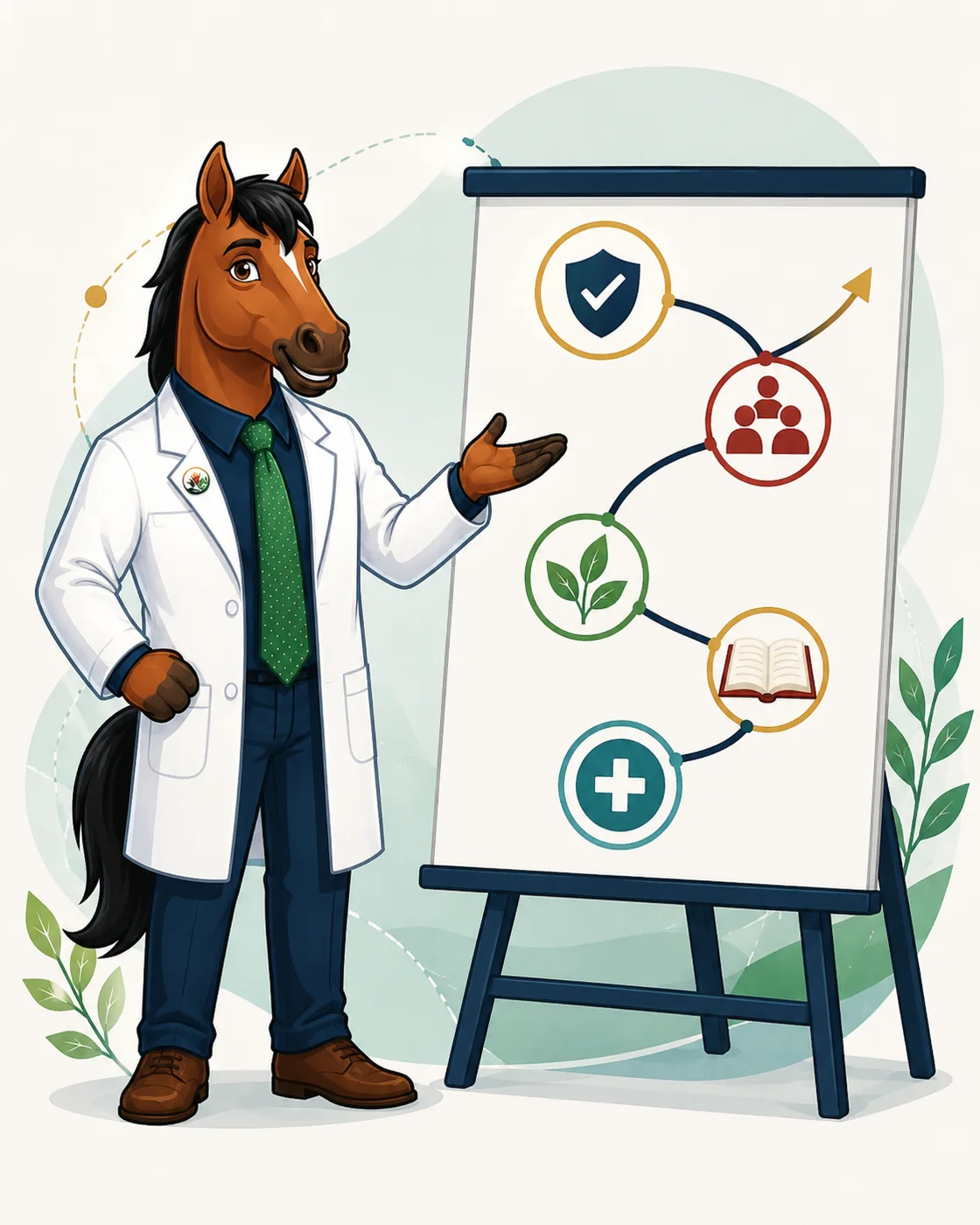
A complete model uses a portfolio rather than betting everything on one educational event. The six strategies work like a balanced roster: each has a role, and no single player should be asked to guard the entire floor.
Strategy definitions
Information
Provide accurate, audience-specific information through talks, handouts, media, newsletters, campaigns, and brief education. Information opens the door; it rarely carries the whole house.
Examples: Briefings, caregiver nights, youth media literacy, medication-safety education, newsletters, public-resource guides
Skill Development
Teach and practice refusal skills, emotional regulation, decision-making, communication, parenting, problem-solving, help-seeking, and recovery-support skills.
Examples: Refusal practice, emotional regulation drills, difficult-conversation rehearsal, help-seeking, planning, repair
Healthy Alternatives
Create structured, substance-free opportunities for recreation, sports, arts, service, learning, leadership, work exposure, and social connection.
Examples: Sports, arts, service, peer clubs, leadership projects, evening and weekend programming, career exploration
Community Process
Organize teams, build coalitions, train helpers, map resources, coordinate partners, listen to residents, and create shared ownership across sectors.
Examples: Coalitions, resident listening, partner tables, youth advisory groups, peer leadership, resource mapping
Environmental Change
Strengthen policies, expectations, physical settings, supervision, access controls, communication norms, and community conditions that shape behavior.
Examples: Policy review, safe storage, transportation, supervision, schedule redesign, physical-space improvement, access controls
Early Identification & Referral
Notice emerging concerns, use non-diagnostic screening within role, start a respectful conversation, connect the person to qualified help, and verify the handoff.
Examples: Concern conversation, qualified screening, warm handoff, crisis escalation, follow-up, reentry support
Portfolio test
| Question | Strong evidence | Warning sign |
|---|---|---|
| Are we informing? | People receive accurate, relevant, understandable information. | Materials are old, abstract, or disconnected from local reality. |
| Are we teaching? | Participants repeatedly practice observable skills. | The program mostly talks at people. |
| Are we offering alternatives? | Healthy belonging, recreation, leadership, and contribution are available at the times risk actually occurs. | Activities are occasional, inaccessible, or unrelated to participant interests. |
| Are we organizing? | Residents, youth, families, peers, and partners share decisions and ownership. | A single agency designs everything in isolation. |
| Are we changing conditions? | Policies, access, supervision, transportation, physical space, and norms support safer behavior. | The environment quietly rewards the behavior the curriculum condemns. |
| Are we responding early? | Concerns are recognized, discussed, referred, confirmed, and followed. | People are given a number and disappear into the referral fog. |
Current strategy mix
The six categories align with the long-standing CSAP prevention-strategy taxonomy. Reach One uses them as a balanced portfolio rather than as evidence that every activity is equally effective. See Source S2.