See the system before choosing the activity.
Use this page as a controlled working guide. Adapt language and activities to the population, verify local resources, assign ownership, and preserve the clinical and life-safety boundaries described throughout the model.
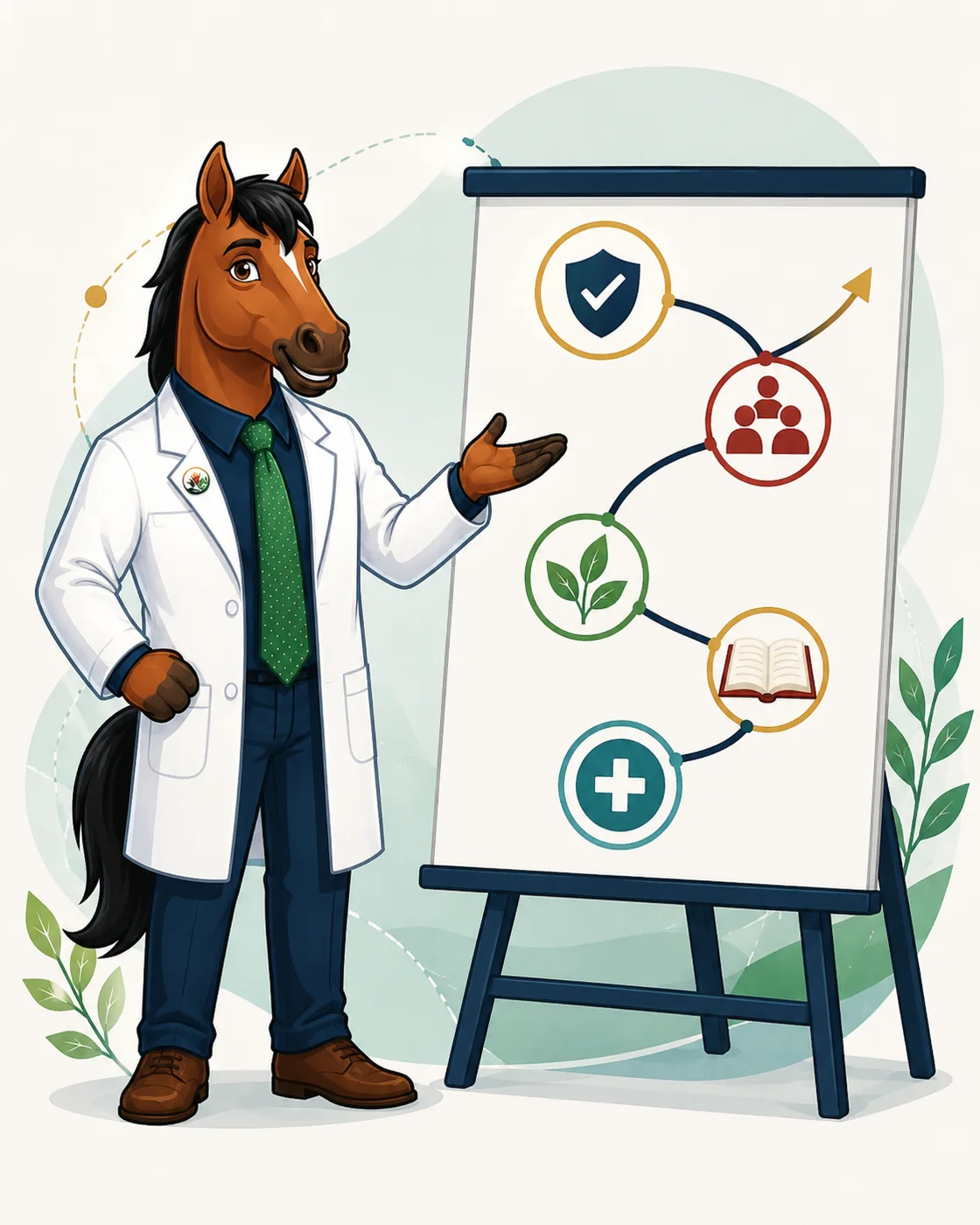
One framework. Four population pathways. Six prevention strategies.
The model separates what should remain universal from what must be developmentally distinct. The universal spine provides one language for community conditions, risk, resilience, action planning, referral, and measurement. The population pathways protect relevance, developmental fit, and safety.
| Layer | Purpose | Required Evidence |
|---|---|---|
| Identity & Governance | Defines mission, authority, boundaries, document control, and decision rights. | Adoption page; governance map; review calendar |
| Community Readiness | Determines whether people recognize the concern and have capacity to act. | Readiness rating; stakeholder input; asset-and-gap profile |
| Population Pathways | Separates ages 5–12, 13–17, 18–24, adults, and caregiver learning. | Placement guide; population-specific curriculum; safety controls |
| Strategy Portfolio | Uses information, skill development, alternatives, community process, environmental change, and early response. | Strategy map; annual activity plan; partner assignments |
| Delivery System | Turns topics into structured encounters with practice, reflection, and action. | Facilitator guide; attendance; session record; participant artifact |
| Referral & Response | Identifies concerns early and connects people to the next appropriate service. | Screen/concern record; consent; completed-handoff tracker |
| Measurement & CQI | Shows whether the model changed capacity, behavior, access, and conditions. | Dashboard; pre/post data; fidelity review; corrective action |
| Sustainability | Builds workforce, partnership, funding, and leadership continuity. | Budget; training matrix; succession plan; annual review |
Population pathways
Reach One Youth Foundations
Concrete skills, trusted adults, safe choices, body cues, emotional language, routines, friendship, play, and family-supported practice.
B.U.Y.-In Youth Academy
Identity, peer pressure, refusal skills, reward systems, digital influence, relationships, future orientation, leadership, and help-seeking.
Emerging Adult Bridge
Adult-role transition, work and school stability, relationships, housing, legal exposure, recovery capital, and independent help-seeking. Never commingled with minor treatment groups.
Adult Community Pathways
Stress, substance risk, family systems, recovery, parenting, aging, reentry, employment, housing, and contribution.
The four response lanes
| Lane | Who it serves | Primary response | Boundary |
|---|---|---|---|
| Universal | Whole populations without identified individual risk. | Education, norms, protective assets, healthy alternatives, environmental supports. | No diagnosis or individualized clinical claim. |
| Selective | Groups exposed to elevated contextual risk. | Targeted skills, mentoring, family support, barrier reduction, structured engagement. | Risk exposure does not equal disorder. |
| Indicated | People showing early warning signs or concerning behavior. | Brief conversation, screening by qualified staff, referral, care coordination, safety planning as authorized. | Do not delay treatment when clinical need is present. |
| Treatment & Recovery Linkage | People with diagnosed or probable behavioral-health needs. | Assessment, licensed treatment, peer support, case management, recovery supports, follow-up. | Clinical services follow credential, payer, documentation, and consent rules. |