See the system before choosing the activity.
Use this page as a controlled working guide. Adapt language and activities to the population, verify local resources, assign ownership, and preserve the clinical and life-safety boundaries described throughout the model.
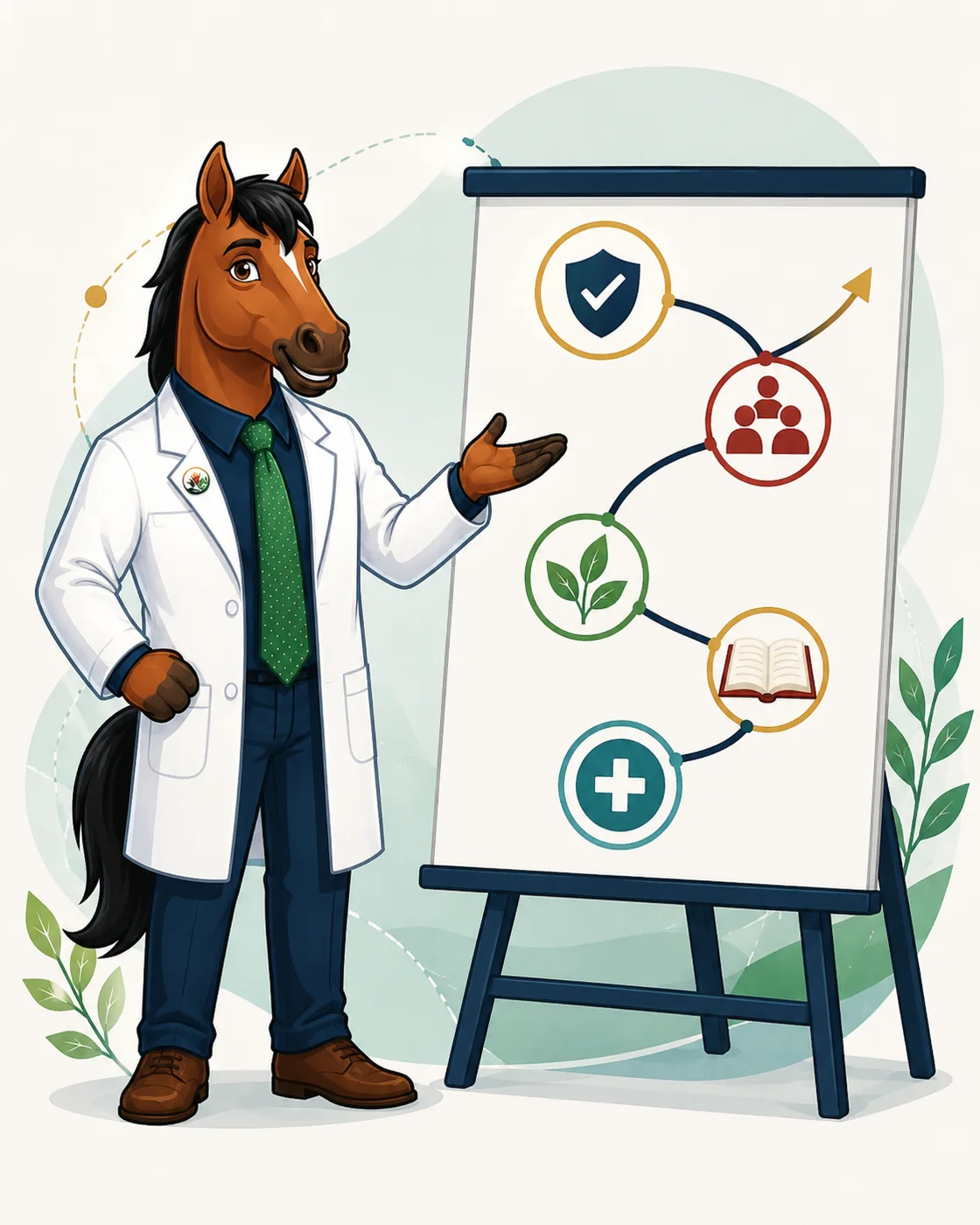
The prevention–intervention–treatment–recovery continuum
Communities become safer when they stop treating every concern as either “nothing” or “a crisis.” The model uses a continuum so the response can match the need. The goal is neither to pathologize ordinary struggle nor to underreact when danger is becoming visible.
What prevention can include
Knowledge
Accurate, age-appropriate information about substances, mental health, stress, development, risk, medications, driving, consent, safety, and where to seek help.
Skills
Regulation, communication, planning, refusal, conflict repair, help-seeking, decision-making, media literacy, caregiving, and leadership.
Relationships
Reliable adults, prosocial peers, family connection, mentoring, peer leadership, recovery community, and warm organizational partnerships.
Conditions
Safe spaces, clear policies, supervision, transportation, food, stable routines, housing, employment, recreation, and reduced exposure to harm.
Information opens the door; it rarely carries the whole house. Every educational activity should connect to at least one skill, one relationship, one environmental support, or one completed next step.