Notice early, act within role, and complete the handoff.
Use this page as a controlled working guide. Adapt language and activities to the population, verify local resources, assign ownership, and preserve the clinical and life-safety boundaries described throughout the model.
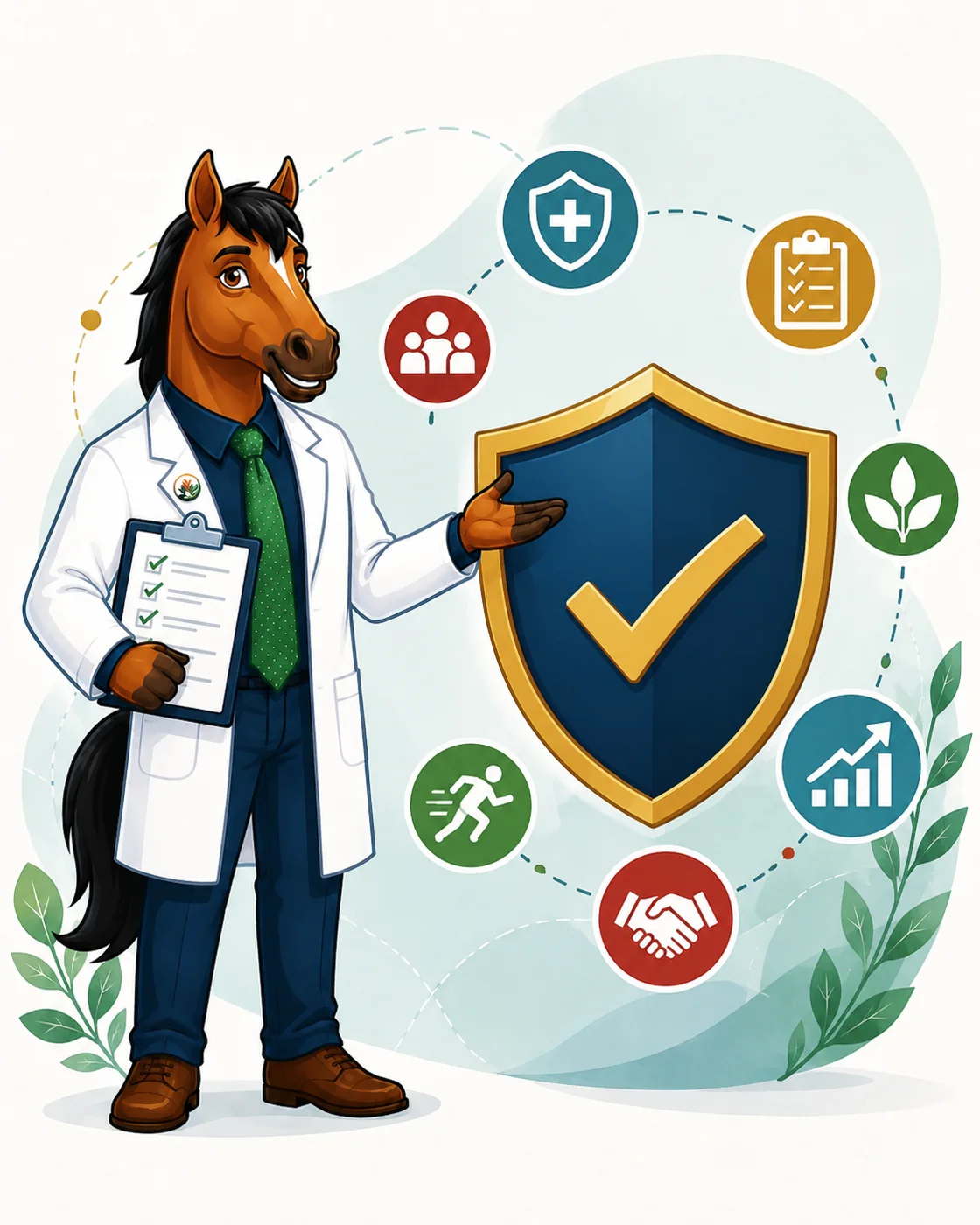
The community’s role after treatment begins
Treatment may stabilize symptoms and build clinical capacity, but recovery must survive in real streets, homes, workplaces, schools, buses, kitchens, courts, relationships, and Friday nights. Community supports help the work travel.
Community support domains
Belonging without surveillance
Welcome people into ordinary community life without turning every interaction into a test of recovery.
Practical stability
Support transportation, documents, food, housing, employment, child care, technology, and medical access—the “hardware” that allows cognitive and emotional work to hold.
Peer connection
Use lived experience within peer scope to build hope, recovery identity, navigation, mutuality, and recovery capital.
Healthy structure
Create predictable schedules, roles, expectations, recreation, service, and contribution without making support punitive.
Repair and reentry
Help people rebuild trust, address harm, restore roles, meet legal obligations, and reenter school, work, family, and community.
Choice and neutrality
Protect client choice. Housing, work, participation, donations, and community access must not be used as leverage for a preferred provider or enterprise.