Build the smallest truthful version, then earn expansion.
Use this page as a controlled working guide. Adapt language and activities to the population, verify local resources, assign ownership, and preserve the clinical and life-safety boundaries described throughout the model.
Staff cannot be held to a model they were never taught to carry
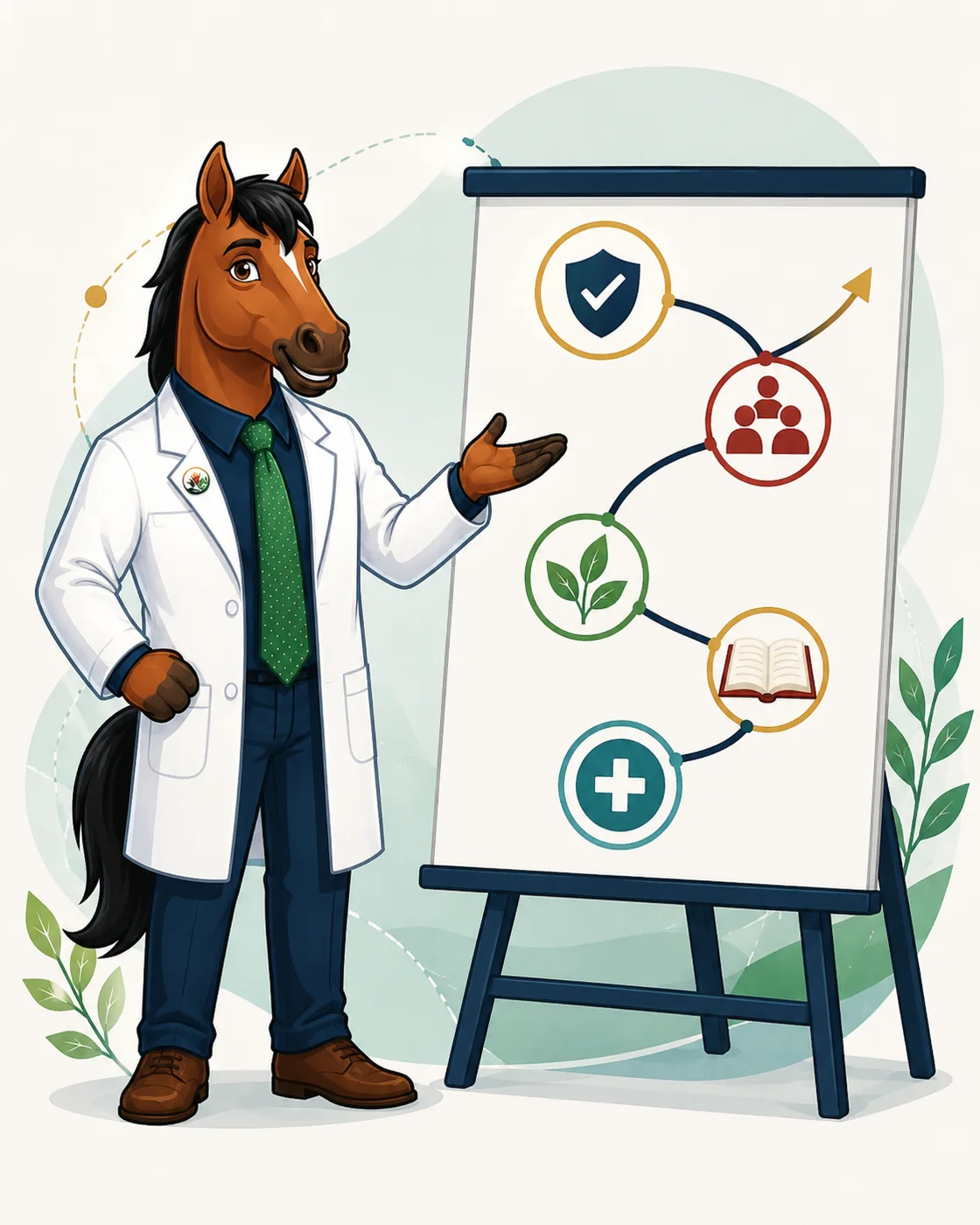
Orientation is exposure; competency is demonstrated performance. The workforce pathway moves staff from understanding to simulation, observation, guided practice, reverse shadowing, independent assignment, and ongoing fidelity review.
Competency ladder
Core competency domains
Model knowledge
Can explain the continuum, six strategies, risk/protection, resilience, population pathways, and completed handoff.
Role clarity
Knows what the role owns, what it may not do, what requires consultation, and how to escalate.
Facilitation
Creates safety, teaches clearly, engages without coercion, manages group process, and protects developmental fit.
Communication
Uses objective language, open questions, reflection, boundaries, repair, and culturally responsive interaction.
Safety and ethics
Recognizes urgent risk, follows emergency and reporting policy, protects privacy, and documents action.
Implementation discipline
Uses the correct tools, meets deadlines, tracks handoffs, participates in supervision, and corrects drift.