
Build the smallest truthful version, then earn expansion.
Use this page as a controlled working guide. Adapt language and activities to the population, verify local resources, assign ownership, and preserve the clinical and life-safety boundaries described throughout the model.
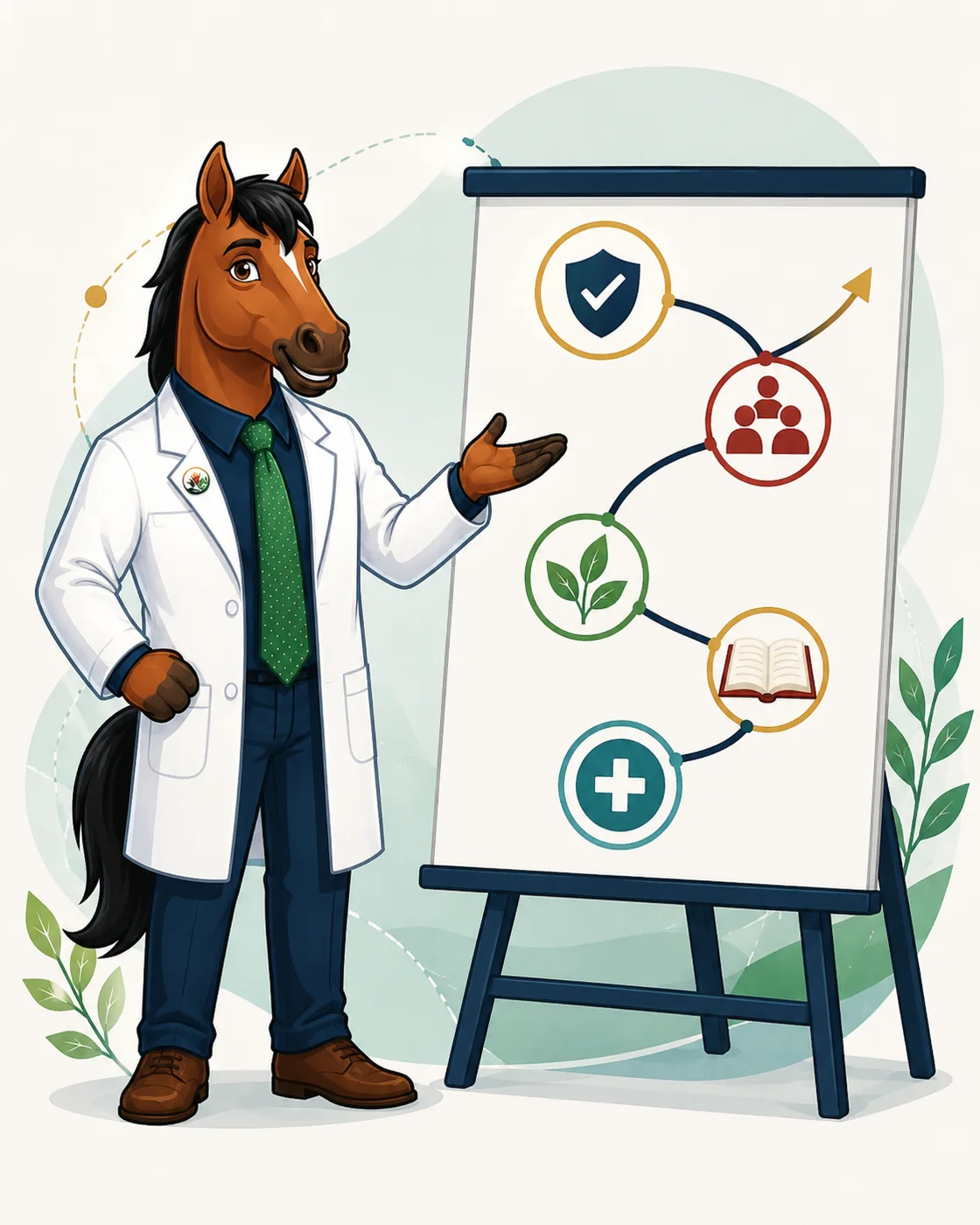
Sustainability is the ability to keep the promise
A program is not sustainable merely because it has a grant. Sustainability is the alignment of community value, leadership, workforce, financing, partnerships, data, infrastructure, and the discipline to stop activities that consume more than they contribute.
Six sustainability domains
Mission sustainability
The activity remains connected to a defined community need and does not become a vehicle for unrelated organizational appetite.
Workforce sustainability
Roles are realistic, supervision is funded, lived experience is compensated, and burnout is treated as a system signal.
Financial sustainability
Budgets distinguish fixed and variable cost, restricted and unrestricted funds, billable and non-billable work, and launch versus steady-state assumptions.
Partnership sustainability
Commitments survive staff turnover because agreements, contacts, expectations, and review dates are documented.
Data sustainability
Measures are useful enough to drive decisions and feasible enough to collect without exhausting the program.
Community sustainability
Residents, youth, families, and peers gain leadership and ownership rather than remaining a permanent audience for professional activity.
Stop–continue–expand test
| Decision | Evidence threshold |
|---|---|
| Stop | Safety cannot be protected; scope is unclear; participation is coerced; cost is indefensible; or the activity repeatedly fails without a plausible correction. |
| Pause and redesign | The need remains valid, but staffing, access, curriculum, partnership, data, or workflow is not ready. |
| Continue | The model is safe, feasible, accepted, and producing credible near-term value while identified improvements are manageable. |
| Expand | Fidelity, workforce, referral capacity, data quality, finances, and outcomes demonstrate that scale will not outrun readiness. |