Youth outpatient services may include
Individual counseling
Developmentally appropriate clinical work focused on the young person’s assessed problems, goals, safety, functioning, strengths, and response.
Family counseling
Clinical work addressing family patterns, communication, conflict, regulation, support, repair, and functioning when appropriate.
Caregiver coaching / parent support
Skill-building and guidance connected to the youth’s plan, with role, service definition, and documentation made clear.
Assessment and treatment-plan review
Developmentally informed assessment, measurement, youth/caregiver discussion, plan updates, and level-of-care decisions.
School or system coordination
With consent, share and gather relevant functional information while preserving educational, legal, and clinical boundaries.
Transition and completed handoff
Step down, discharge, connect to another provider or level, and verify the next step rather than merely issuing a referral.
Family involvement is individualized—not optional decoration
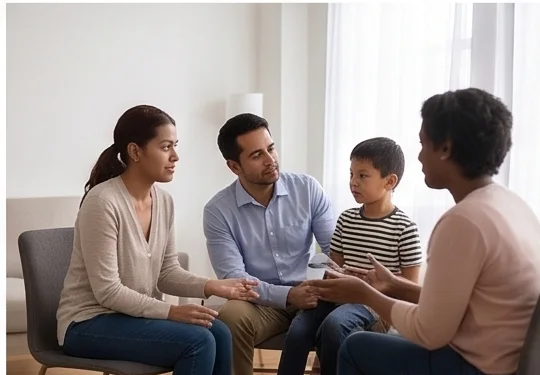
The treatment plan should specify what caregiver involvement is clinically expected, who has legal authority, what information may be shared, how youth assent and voice are incorporated, what barriers exist, and what alternatives are used when a caregiver cannot or will not participate.
Family participation does not mean the caregiver becomes the therapist or that every session must include the family. It means the treatment system attends to the relationships and environments that can strengthen or undermine the youth’s progress.
Source and publication control
Designed from Reach One’s controlled planning record
This page is generated from the Reach One website/strategic planning package, SPW readiness baseline, executive decision register, program-design materials, and website build charter. Production publication still requires current evidence, named approval, workflow testing, and a rollback path for any claim that can change.