
Same clinical standard—different delivery environment
A virtual visit should preserve the same Golden Thread as in-person care: assessment, clinical meaning, problem, goal, objective, intervention, response, evidence, and review. The difference is that technology, physical location, privacy, access, identity, emergency response, and disruptions must be actively managed.
Reach One’s intended virtual architecture may support outpatient counseling, IOP cohorts, case management, Peer Support, family sessions, and other eligible services when clinically appropriate, permitted, staffed, authorized, and secure.
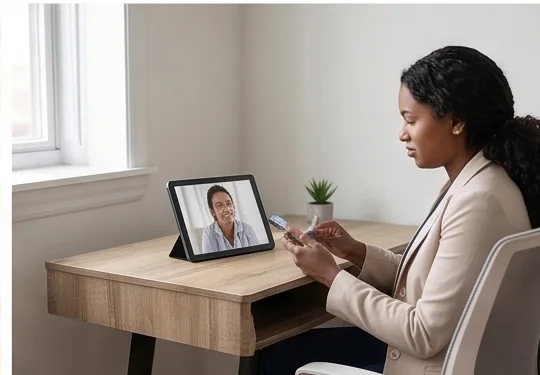
Virtual readiness controls
Secure contracted platform
Vendor agreement/BAA as applicable, encryption, identity, permissions, audit logs, privacy, retention, incident response, backups, accessibility, and downtime.
Client location and identity
Confirm who is present, current physical location, emergency address, callback information, consent, and legal authority at each encounter as required.
Privacy and environment
Assess whether the person can speak safely, whether another person is present, use of headphones, confidentiality, and alternatives.
Emergency plan
Know local emergency resources, contact information, support person, disconnection procedure, safety escalation, and when to end virtual care.
Clinical appropriateness
Consider acuity, cognitive/developmental needs, psychosis, intoxication/withdrawal, violence/self-harm risk, medical instability, technology skill, and environmental safety.
Technology access
Device, bandwidth, accessibility, digital literacy, backup phone, interpreter/communication supports, and alternative modality.
Group controls
Private joining, identity, attendance, no recording, participant location, camera expectations, disruptions, chat, breakout rooms, and emergency response.
State and payer alignment
The person’s location, clinician license/scope, organizational authority, payer/product, authorization, service definition, and billing rules must align.
Virtual encounter workflow
- 01
Pre-visit readiness
Confirm modality appropriateness, consent, technology, location expectations, privacy, emergency plan, and backup communication.
- 02
Open the encounter safely
Verify identity, location, participants, privacy, and how to reconnect if technology fails.
- 03
Deliver the authorized service
Use the same clinical/service standard, role boundary, time accuracy, and individualized intervention expected in person.
- 04
Respond to risk or disruption
Pause, reconnect, change modality, escalate, or contact emergency resources according to the approved protocol.
- 05
Document and follow through
Record modality, location/identity requirements, intervention, response, risk, technology issues, next step, and any completed handoff.
Source and publication control
Designed from Reach One’s controlled planning record
This page is generated from the Reach One website/strategic planning package, SPW readiness baseline, executive decision register, program-design materials, and website build charter. Production publication still requires current evidence, named approval, workflow testing, and a rollback path for any claim that can change.